On a trip built around experiential learning in Rwanda, the first surprise is often a word: Umuganda. Most students assume it is a festival. Then the last Saturday of the month comes around. By eight in the morning the shops are shut and the roads are nearly empty. The whole neighbourhood is out with hoes and wheelbarrows, clearing a drainage ditch or levelling the path to the local school. When a group is in the country that weekend, they join in. Nobody gives a talk on civic responsibility. By eleven, the students have sore hands, a few new Kinyarwanda words and a long list of questions.
That is experiential learning in Rwanda: you do the thing first, then you sit down together and work out what it meant. Below we explain what this looks like on a Menya programme and why it works so well here. We also share what teachers should know before bringing a group.
Why experiential learning in Rwanda works so well
Rwanda is small. From Kigali you can reach the volcanoes in the north in about two and a half hours, and Akagera in the east in roughly the same time. On a school trip that matters, because students spend their days learning rather than sitting on a bus.
It is also a place where the big themes of a social studies or development syllabus show up in ordinary life. In 1994 the Genocide against the Tutsi took more than a million lives in about a hundred days. Today students walk through some of the cleanest streets in Africa, where plastic bags have been banned since 2008. They meet women who run their own cooperatives and follow a community health worker on her rounds. They also talk with people who have lived through reconciliation. Here, development and peacebuilding are things you can see, not just chapters in a textbook.
What experiential learning in Rwanda looks like day to day
We design every programme around the school’s own learning goals, so no two trips look the same. Still, most draw on a few core experiences. These are the ones teachers ask for most often.
Working alongside community partners
Students come to cooperatives, schools and local organisations as learners, not helpers. A typical visit starts with a workshop led by the partner. Then students help with a task the partner has chosen. Finally they sit down and ask about the work itself: who started it, how it makes money, and what gets in the way. Our Youth & Women Empowerment Tours and Community Based Tours are built around these visits.

Farms, food and where it comes from
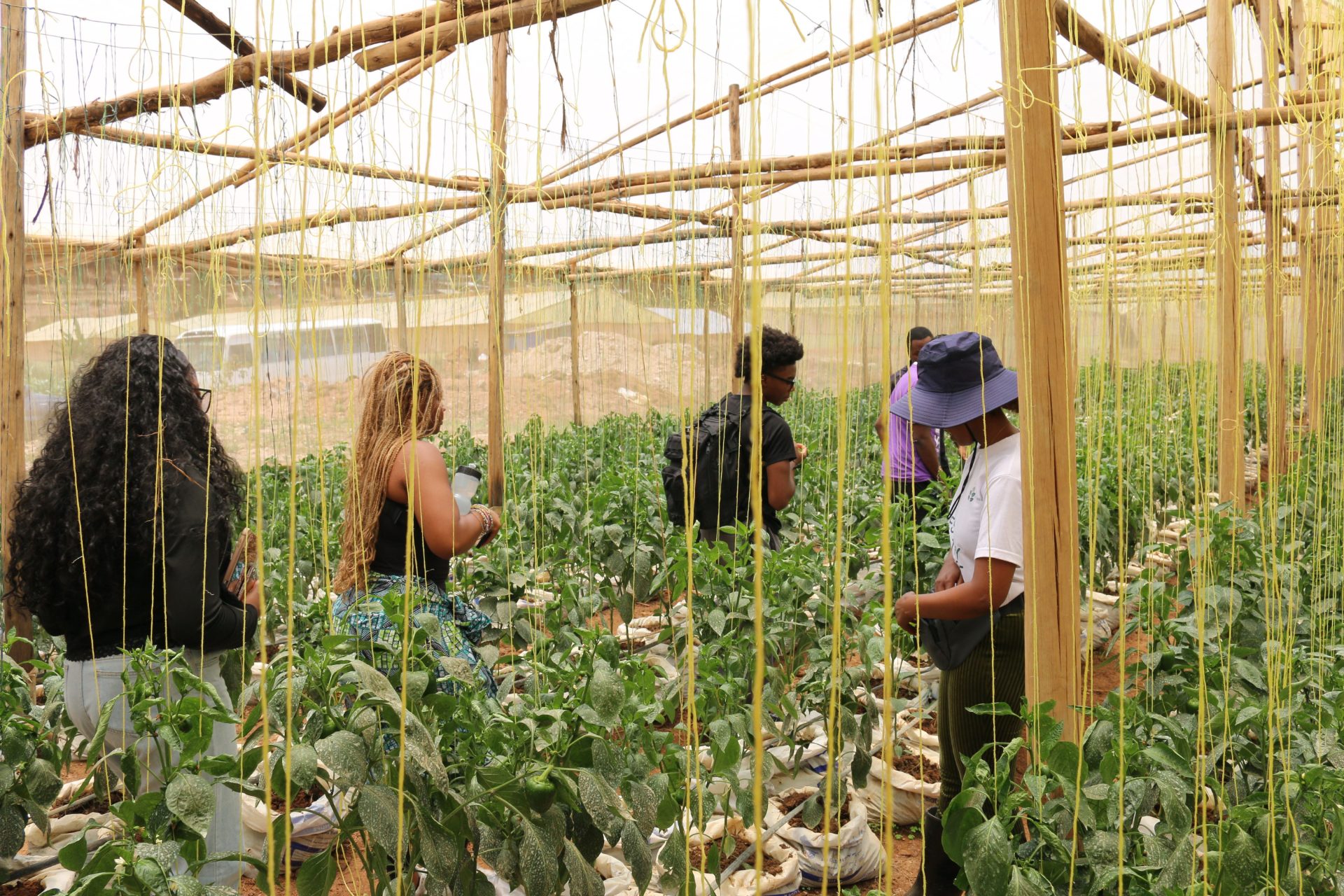
A large share of Rwandans still make their living from the land, so a farm visit is one of the most direct ways into the country’s economy. On our agritourism days, students walk through greenhouse projects and dairy farms near Kigali. They ask farmers how they price their crops and learn what a late rainy season means for a family that depends on it. Geography and biology classes get a lot out of this one. See our Agritourism Experience Tours.
Craft, art and Made in Rwanda
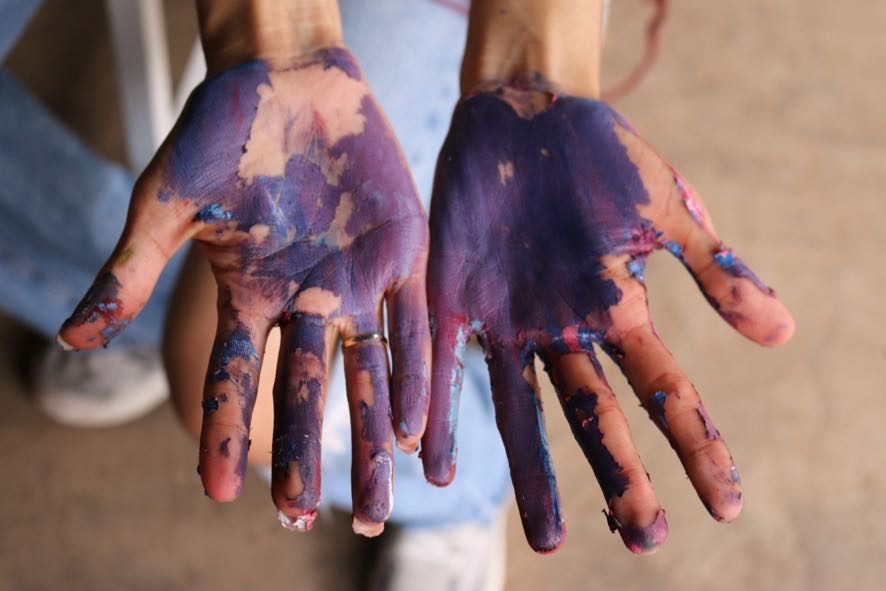
Kigali’s creative scene surprises most visitors. In indigo dyeing and textile workshops, students learn a craft from people who earn their living from it. Their hands stay blue for a day or two afterwards. Gallery visits and mural walks lead to a different kind of conversation, about how young Rwandan artists tell their country’s story in their own way.
Memory and reconciliation
Most groups visit the Kigali Genocide Memorial in Gisozi, where more than 250,000 victims are buried. We brief students before they go and give them time inside without rushing. The rest of the day stays quiet, with a guided debrief in the afternoon. With younger groups, we adapt how much of the history they encounter and how it is presented. Our Culture & Heritage Tours cover this part of the programme in more depth.
Homestays and shared meals
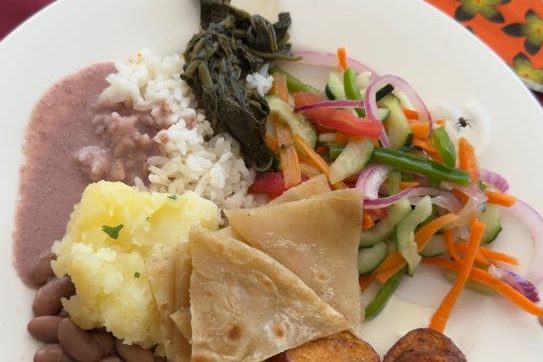
A night or two with a Rwandan family teaches what no tour can. Students see how a household runs without wasting anything, taste isombe and ibitoke straight from the pot, and learn how long a proper greeting takes. Even in the city, sitting down to a traditional lunch with the people you met that morning changes the conversation.
Conservation and the national parks
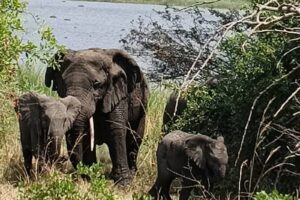
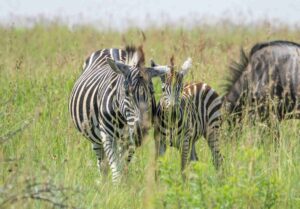
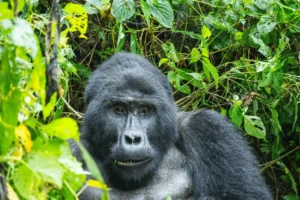
For groups with more time, Volcanoes, Nyungwe and Akagera show how conservation and local livelihoods depend on each other. A share of park revenue goes back to the communities that live around each park, and students can see where some of that money ends up. See our Conservation & Wildlife Tours.
Why experiential learning in Rwanda sticks
As guides, we notice the questions change during a trip. On the first day, students want to know whether it is safe to walk around Kigali. By the third day, they are asking why a cooperative pays its members weekly, or how a country decides what to remember.
That shift happens because students meet an idea in a person before they meet it in a reading. When the reading comes later, it makes more sense. Reflection is what holds it together. We build a short debrief into each day, and many teachers have students keep a journal. Without that time to process, a trip is just a series of visits. With it, experiential learning in Rwanda becomes something students carry back into the classroom.
Practical tips for teachers planning experiential learning in Rwanda
- Aim for the dry seasons, June to September and December to February, if you want easier roads and park visits. Rain rarely stops a programme, but it does slow it down.
- If your dates include the last Saturday of the month, plan around Umuganda. The morning is set aside for community work, and traffic and shops pause until late morning.
- Teach a few words before you land: Muraho (hello), Amakuru? (how are you?) and Murakoze (thank you). A greeting in Kinyarwanda changes how people respond to you.
- Talk to your students about the genocide history before the trip, so the memorial visit is not their first encounter with it.
- Pack modest clothing for memorial visits and rural communities, and closed shoes for farm days.
- Always ask before photographing anyone, especially children.
Planning a school trip?
If you are just starting to plan, our School Trips to Rwanda planning guide includes a sample five-day itinerary, safety notes and costs. When you are ready to talk about dates and learning goals, tell us about your group and we will build a programme around your curriculum.
Murakoze, and see you in Rwanda.