School trips to Rwanda give students something no textbook can: the chance to learn by seeing, asking and doing. Ask anyone what they remember from school, and many will name a field trip before a single exam. Many of our team are among them.
For several of us at Menya Experiences, a school field trip is where a love of travel and learning began, and it led us into careers in tourism. In Kinyarwanda, menya means “to learn”. That idea guides every trip we plan.
This guide is for teachers, trip coordinators and heads of school. It explains why Rwanda works so well for student travel, what learners gain, and how to link a trip to your curriculum. You will also find a sample itinerary, safety advice, the best time to travel and simple planning steps.
Why Choose School Trips to Rwanda?
Few countries pack so many living lessons into such a small space. Rwanda is roughly the size of Belgium. As a result, a school group can move from rainforest to savannah to volcanoes without long days on the road.
- Varied landscapes, short distances. Nyungwe’s ancient rainforest, Akagera’s savannah and the Virunga volcanoes are all within a few hours of Kigali.
- A clean and welcoming country. Kigali is known for tidy streets and a calm pace. Rwanda has also banned plastic bags since 2008.
- English is widely used. Students can talk directly with guides, rangers and community hosts.
- Stories that matter. Rwanda’s journey of recovery and reconciliation since 1994 is a powerful lesson in resilience and citizenship.
- Conservation that works. Mountain gorilla numbers have grown, and lions and rhinos have returned to Akagera.
For these reasons, school trips to Rwanda can cover science, geography, history, economics and personal growth in one journey. You can read more about the country on the official Visit Rwanda website.
7 Benefits of School Trips to Rwanda
Before planning, it helps to see the big picture. Here are seven reasons schools choose school trips to Rwanda:
- Real-world lessons in conservation, culture and development.
- Short travel times between very different landscapes.
- Safe, organised and welcoming communities.
- Direct conversations in English with guides and hosts.
- Hands-on activities that build teamwork and confidence.
- Strong links to CBC, IB and Cambridge subjects.
- Memories and friendships that last long after the trip.
In other words, school trips to Rwanda combine adventure with real academic value.
What Students Learn on Educational Tours in Rwanda
Learners remember what they experience far longer than what they read or hear. For example, a lesson on conservation means more after a walk through a forest with a ranger. Likewise, a lesson on culture comes alive after a meal with a local family. That is the heart of experiential learning in Rwanda.
Conservation and wildlife
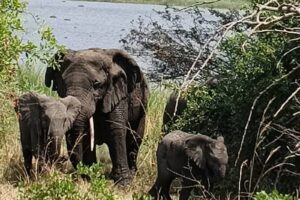
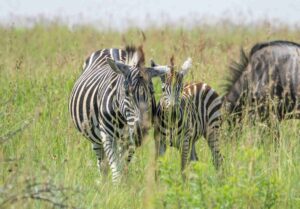
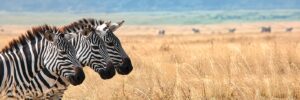
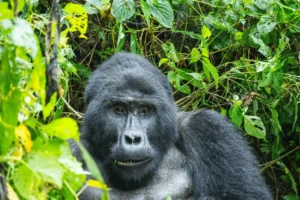
In Akagera National Park, students join an Akagera wildlife safari and a boat safari on Lake Ihema. Then they learn how the park was restored. In Nyungwe, they take the Nyungwe canopy walk above one of Africa’s oldest rainforests. Older students can track golden monkeys or, from age 15, mountain gorillas.
Culture and heritage
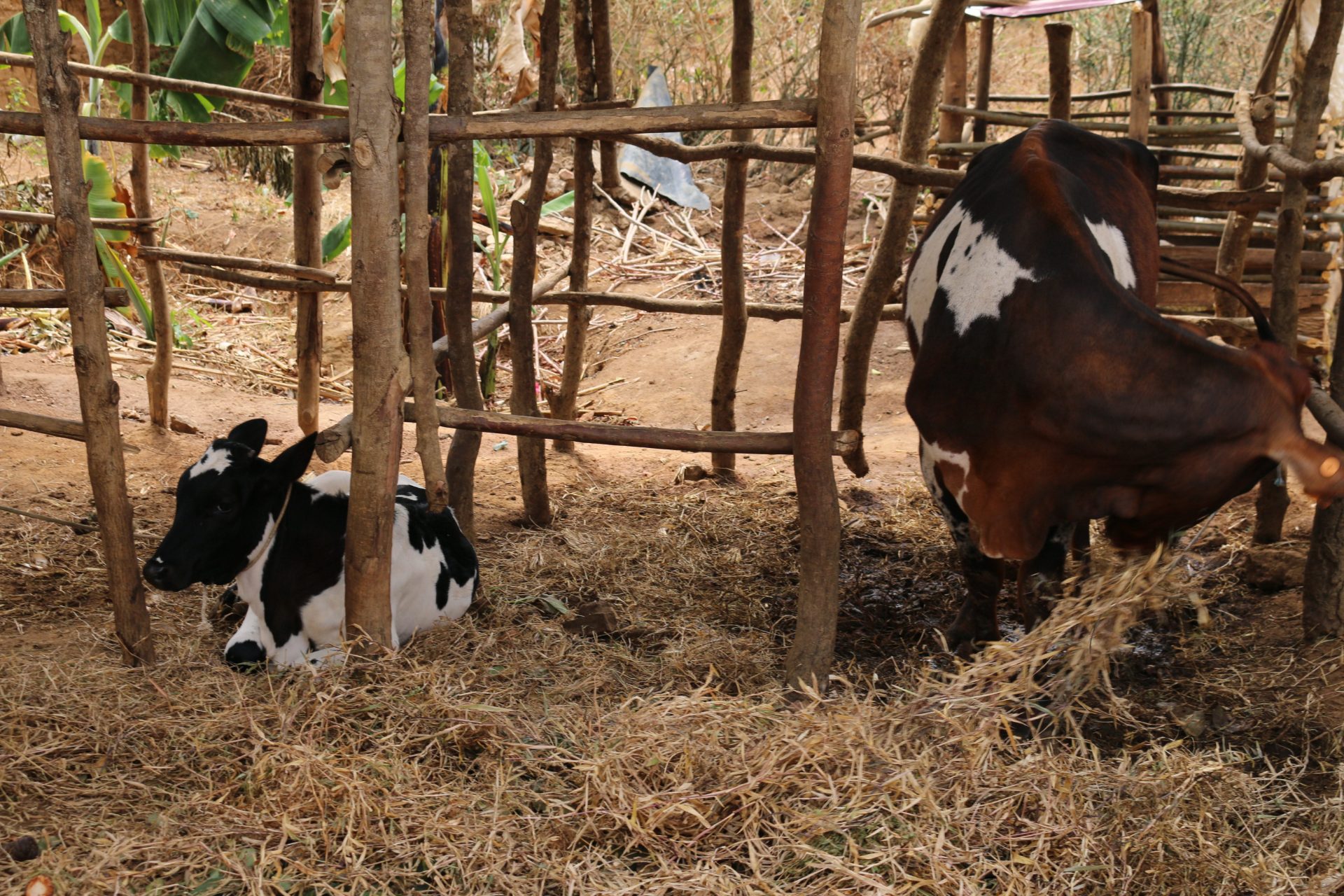
At the King’s Palace Museum in Nyanza, students explore royal history and meet the long-horned Inyambo cattle. In addition, an Intore dance workshop lets them learn by doing. For older groups, a carefully prepared visit to the Kigali Genocide Memorial opens honest conversations about history, peace and responsibility.
Agritourism and food systems
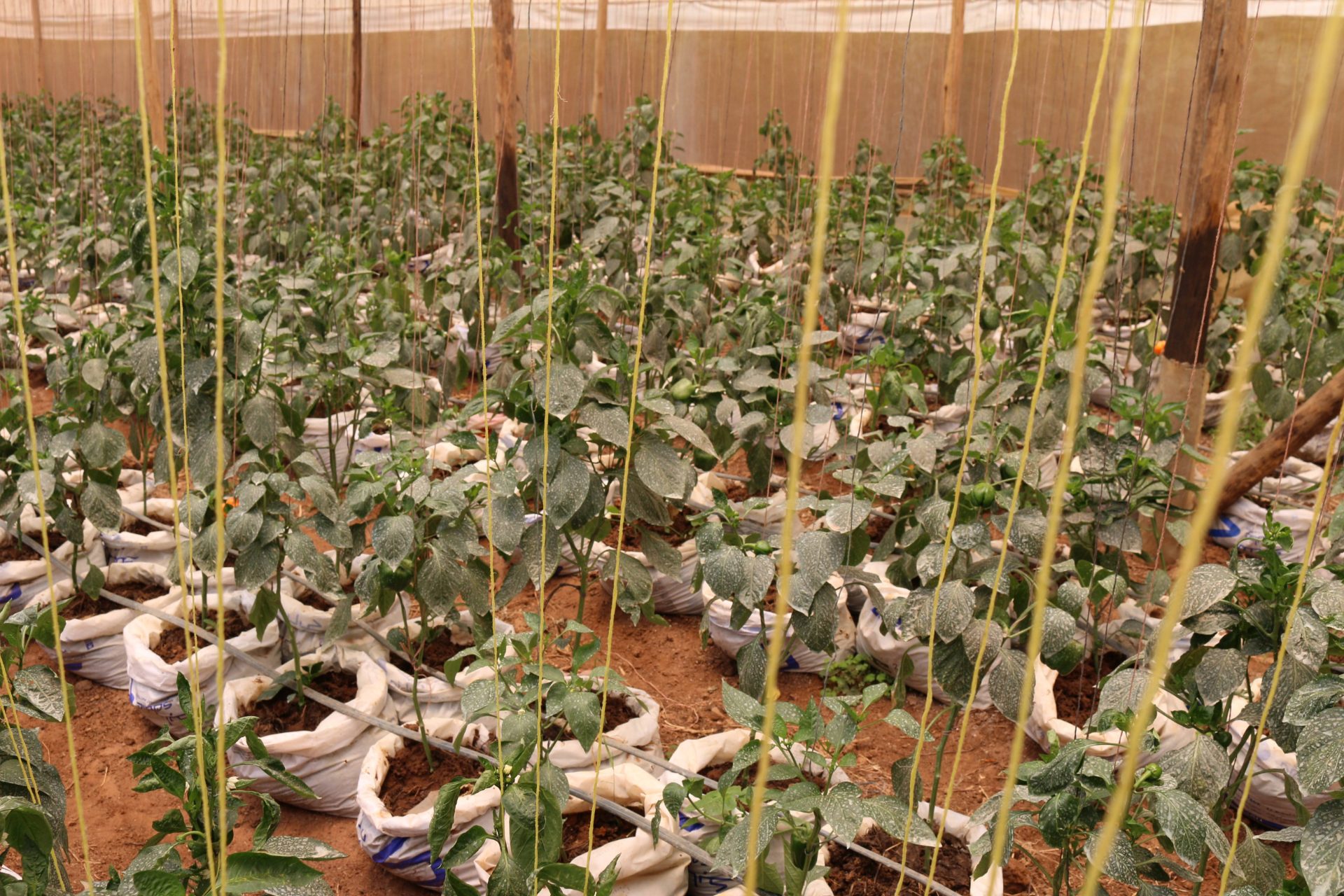
On farms and with local food producers, students follow a product from soil to market. The coffee experience is a favourite. As a result, learners see agriculture, business and sustainability as one connected system. See our agritourism tours for ideas.
Youth, women and community
We work hand in hand with women- and youth-led organisations. They share their knowledge, culture and skills with our learners. These community-based tours are designed to benefit both the students and the communities they meet.

Learning that shapes the whole person
In a single day, a student might grow intellectually by discovering new ideas. They may also grow emotionally by stepping outside their comfort zone, and socially by working in a team. Outdoors, they grow physically, and through reflection they grow ethically. Along the way, they build communication, teamwork, problem-solving and resilience: skills no exam fully measures.
How School Trips to Rwanda Link to Your Curriculum
Every Menya itinerary starts from your learning goals, not from a fixed tour. Here are common links we build into our educational tours:
| Experience | Subjects | Curriculum links |
|---|---|---|
| Akagera game drive and boat safari | Biology, Geography | Ecosystems and food webs; CBC Science; IB ESS; Cambridge Biology |
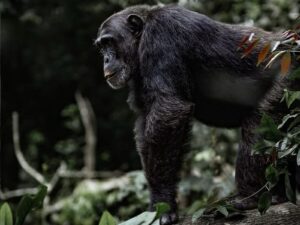
| Nyungwe canopy walk and chimpanzee trek | Biology, Environmental Science | Biodiversity and rainforest ecology |
| Coffee or tea farm visit | Agriculture, Economics, Business | Value chains and trade; CBC Entrepreneurship |
| King’s Palace Museum and Intore dance | History, Arts, Social Studies | Pre-colonial Rwanda, identity, performing arts |
| Community and women-led enterprises | Social Studies, Business, Global Citizenship | Sustainable development; IB CAS and service learning |
| Kigali Genocide Memorial (older groups) | History, TOK, Citizenship | Conflict, peace and reconciliation |
For IB schools, many of these activities support CAS experiences. Meanwhile, for Rwandan schools following the Competence-Based Curriculum (CBC), our field trips give students the hands-on practice the curriculum calls for. Simply tell us your syllabus and grade, and we will map each day to it. This is what makes our school trips to Rwanda different from a standard holiday tour.
Sample 5-Day Itinerary for School Trips to Rwanda
Below is one example of a Rwanda school trip itinerary. However, we adjust every trip to your group’s age, subjects and budget.
- Day 1, Kigali: arrive and settle in. Welcome briefing, safety talk and a city walk. Learning goal: urban planning and modern Rwanda.
- Day 2, Kigali to Akagera National Park. Afternoon boat safari on Lake Ihema. Learning goal: wetland ecosystems and conservation.
- Day 3, Akagera game drive. Morning game drive, then a talk on how the park was restored. Learning goal: biodiversity and wildlife management.
- Day 4, community and farm day. Visit a women- or youth-led enterprise and a farm. Learning goal: sustainable development and entrepreneurship.
- Day 5, reflection and departure. Group reflection, short presentations and journals. Learning goal: linking experience to classroom learning.
Longer trips can add Nyungwe Forest, Lake Kivu, the King’s Palace Museum or Volcanoes National Park. You can also explore our conservation and wildlife tours and culture and heritage tours.
Are School Trips to Rwanda Safe for Students?
Rwanda is widely regarded as one of the safest countries in Africa for visitors. Crime is low, and the country has a strong culture of order. Still, a school needs more than a country’s reputation. That is why safety is built into every trip we plan.
- Experienced local guides stay with your group throughout the trip.
- Supervision ratios are agreed with your school before you travel.
- Transport is arranged with trusted vehicles and professional drivers.
- Your teachers receive a written trip plan and a 24/7 emergency contact.
- We share our full safety and safeguarding plan with your school during planning.
As a result, school trips to Rwanda with Menya stay calm and well organised. Parents and school leaders know exactly who is with the students, where they are and what happens if plans change.
Best Time for School Trips to Rwanda
Rwanda’s main dry seasons run from June to September and from December to February. These months are best for wildlife viewing and hiking, and they fit many international school calendars. The rainy months bring green landscapes and fewer visitors. Even then, most activities still run, so school trips to Rwanda are possible all year.
How Much Do School Trips to Rwanda Cost?
The price depends on group size, trip length, accommodation, park fees and permits. Gorilla and chimpanzee permits are the largest single costs. Therefore, many school groups build trips around Akagera, Nyungwe walks and community experiences instead. Ask us for a free, itemised quote that you can take to your budget meeting. We are happy to suggest ways to keep school trips to Rwanda affordable for every family.
How to Plan Your School Trip with Menya Experiences
- Send an enquiry. Tell us your school, grade, group size, dates and learning goals.
- Have a planning call. Together, we talk through your curriculum, safety needs and budget.
- Receive a custom itinerary and quote. You get a day-by-day plan with learning outcomes and a clear price.
- Get your pre-trip pack. We send a parent information pack, a packing list and a safety briefing before you travel.
Frequently Asked Questions
What is the minimum age for gorilla trekking?
The minimum age is 15. Younger students can enjoy golden monkey tracking, the Nyungwe canopy walk and Akagera safaris instead.
Do students need a visa for Rwanda?
Many nationalities can get a visa on arrival or online. Check the official Rwanda Directorate General of Immigration website for your students’ passports.
What health requirements apply?
A yellow fever certificate may be required, depending on where you travel from. Ask your travel clinic about vaccines and malaria advice before departure.
Can teachers and chaperones join?
Yes. Teachers and chaperones travel with the group, and we include them in all planning.
Do you plan trips for Rwandan schools too?
Yes. We run day trips and multi-day field trips for schools across Rwanda, as well as for international schools.
Ready to Plan Your School Trip to Rwanda?
At Menya Experiences, we want learners to return home not only knowing more, but understanding more deeply and caring more widely. Our school trips to Rwanda are designed to help students see themselves as active, responsible citizens of the world. Learn. Discover. Connect.